Services
Handyman Services for Wesley Chapel Homes
Use the groups below to find the kind of repair or installation you have in mind. If your list mixes several categories, call or text the whole list instead of trying to force every item into one label.
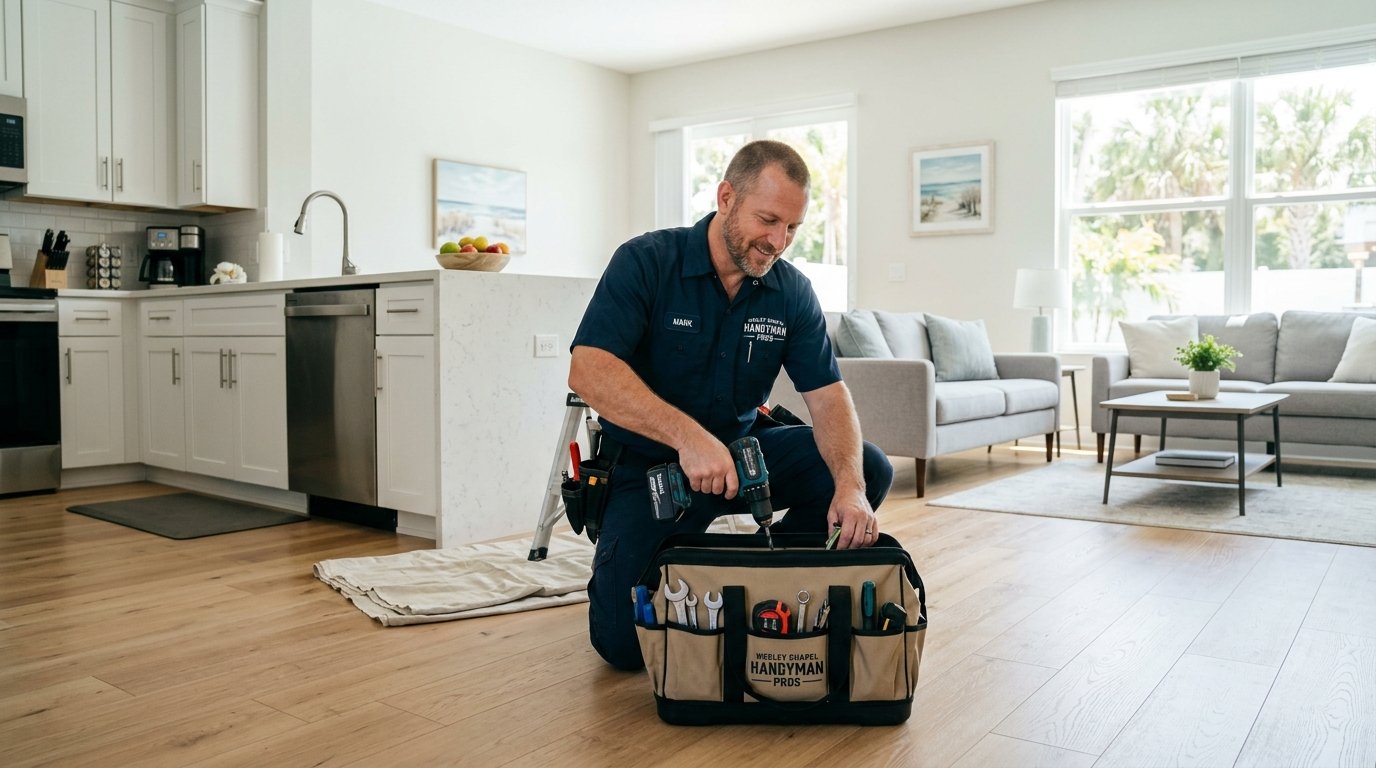
Practical work, organized by the kind of project
Handyman projects usually make more sense when grouped by how the work is performed: punch lists, installations, mounting, surface repairs, or property maintenance. That is how we have organized the service list below.
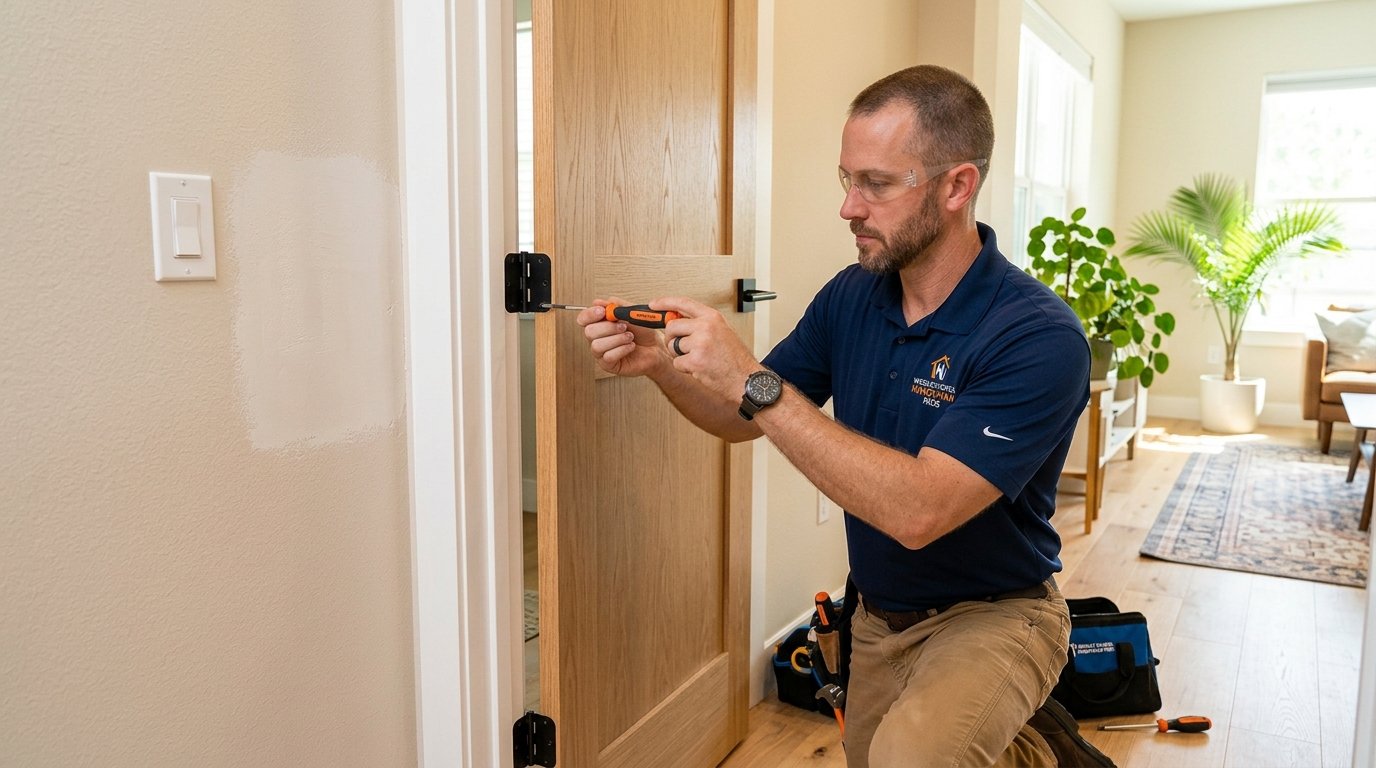

Whole-home punch lists
Several small projects can often be planned together.
Interior upgrades & installations
Practical non-regulated installations and finish upgrades at suitable existing surfaces and openings.
Mounting, storage & assembly
Make better use of walls, garages, and rooms.
Repairs & finish work
Fix wear, small damage, and everyday operating problems.
Property & storm support
Practical punch-list work for managed properties and post-weather repairs.
Not sure which service fits?
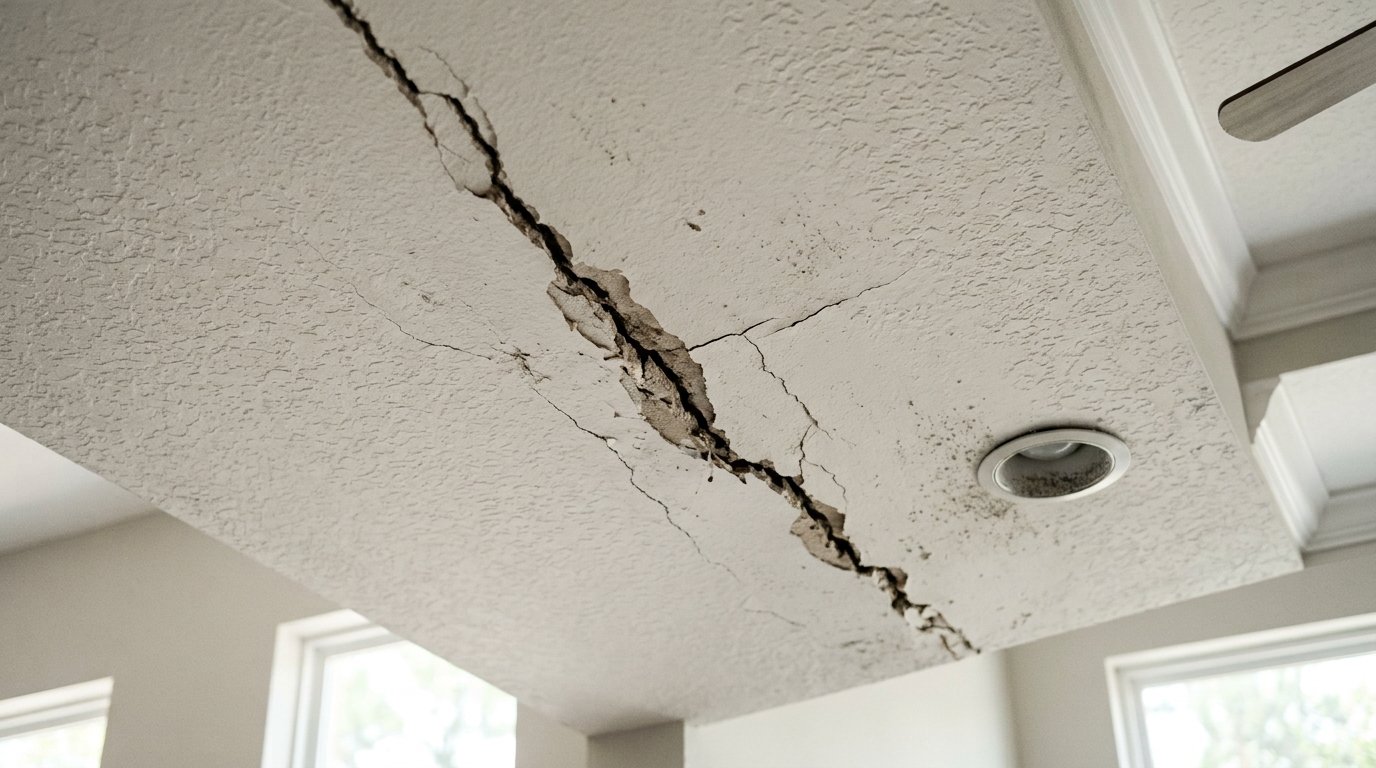
That is normal. A homeowner might describe one project as “fix the wall,” while the actual work includes removing a failed patch, checking for moisture, repairing drywall, and preparing the surface for paint. Send photos and describe what you notice rather than trying to diagnose it yourself.
Several small jobs are welcome
We specifically offer honey-do list, multiple-repair, move-in, pre-sale, and inspection follow-up services because small tasks often come in groups. A complete list gives us a better picture of tools, materials, access, and the order the work should happen.
How to combine projects without creating a mess
Compatible jobs can often share one visit, but they still need a sensible order. Wall mounting and drilling usually happen before final touch-up. Drywall compound may need time before sanding or paint. Furniture assembly needs enough floor space to lay out parts without damaging the room. Thinking about those dependencies helps a mixed list move smoothly. When you send the list, include every item even if you are unsure whether it belongs. We can separate straightforward handyman work from electrical, plumbing, HVAC, roofing, structural, permit-required, or other regulated work that needs the appropriate licensed trade.
When you send the list, include every item even if you are unsure whether it belongs. We can separate the straightforward handyman work from anything that should be handled by a specialty trade.
Materials, homeowner-selected fixtures, and fit
Homeowners often choose their own shelving systems, mirrors, storage products, grab bars, shower doors, furniture, and mounting hardware. Before the visit, compare dimensions and keep all included hardware. If you are replacing an existing non-regulated item, a photo of the current setup can reveal mounting details that are not obvious from the product box. Repair materials are different: patch backing, fasteners, anchors, compound, caulk, trim pieces, and touch-up supplies depend on the surface and repair.
Repair materials are different. Patch backing, fasteners, anchors, compound, caulk, trim pieces, and touch-up supplies depend on the surface and condition found at the property. The goal is not simply to use whatever is on hand; it is to use a suitable material for the repair.
How the service groups connect
A punch-list visit may touch several service groups at once. For example, a move-in list could include hanging shelves, mounting a television, adjusting two doors, assembling furniture, installing a grab bar, and patching anchor holes from the previous owner. That is why we treat the complete household list as the starting point rather than asking a homeowner to choose only one service name. Mounting work depends on wall construction, weight, layout, and the hardware supplied with the product. Surface repairs depend on whether the surrounding material is sound. Exterior finish work adds height, weather, and moisture questions.
Installation work is most straightforward when the new item is compatible with the existing surface and mounting location. Mounting work depends on wall construction, weight, layout, and the hardware supplied with the product. Surface repairs depend on whether the surrounding material is sound. Exterior work adds height, weather, and moisture questions. Each category has its own practical checks even when several items are completed in one visit.
When a project belongs somewhere else
Electrical work, plumbing work, HVAC, roofing, structural changes, and other regulated or permit-required work are outside the services advertised by Wesley Chapel Handyman Pros and should be handled by the appropriately licensed trade. Florida and local requirements can depend on the exact scope, so we review the project before scheduling rather than using a broad handyman label to blur that line.
If you are unsure, send the list anyway. A photo and plain-language description usually make it easier to tell whether the job is a simple repair, a suitable replacement, or something that needs a different professional.
Before buying a replacement item
Measure the existing opening or mounting area, note the current attachment method, and compare the replacement product specifications. Shower doors, attic ladders, shelving systems, grab bars, mirrors, and storage products all have dimensional or mounting limits that can affect fit. Keep receipts and packaging until the installation is complete in case the product is missing parts or is not compatible with the location. If you are uncertain about fit, send a photo and the product link before scheduling.
If you are uncertain about fit, send a photo of the existing item and the product link before scheduling. It is usually easier to catch a mismatch before the box is opened than after the old item has been removed.
For larger mixed lists, note which items matter most so the visit can be prioritized sensibly if an unexpected condition changes the available time.
Which projects are on your list?
Tell us what needs attention, where the work is located, and any photos or measurements you already have.